Quartier "Spaarndammerhart" in Amsterdam

Do you require personal advice?
Please contact us.
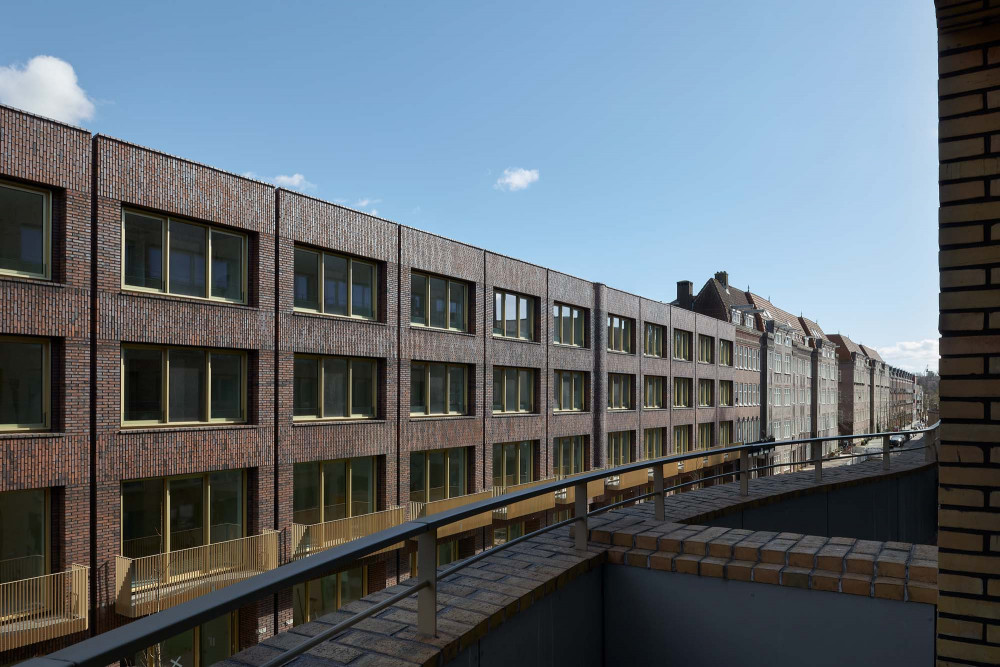
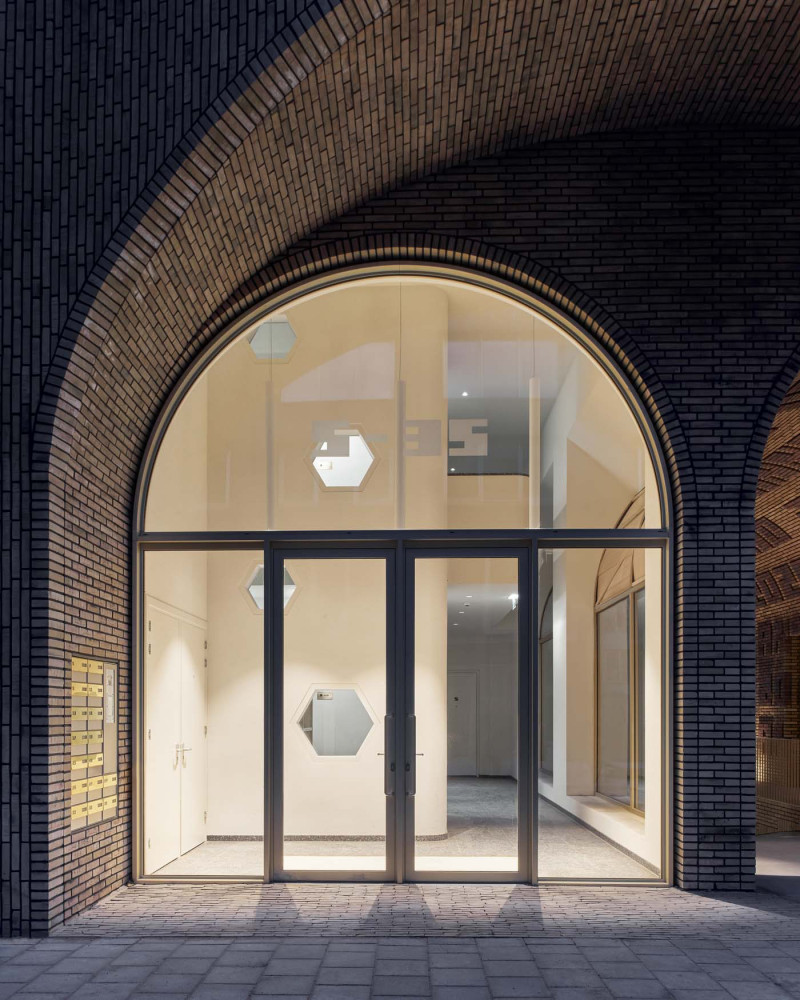
Spaarndammerhart – a project developed in collaboration with Korth Tielens – restores the urban fabric of the Spaarndammer neighbourhood. The street that disappeared in the 1970s to make way for the Spaarndammerschool has been reinstated. The scheme re-establishes two street frontages and adds a public courtyard to the neighbourhood, accessible through two large gateways that also create a connection to De Klerk's Het Schip.
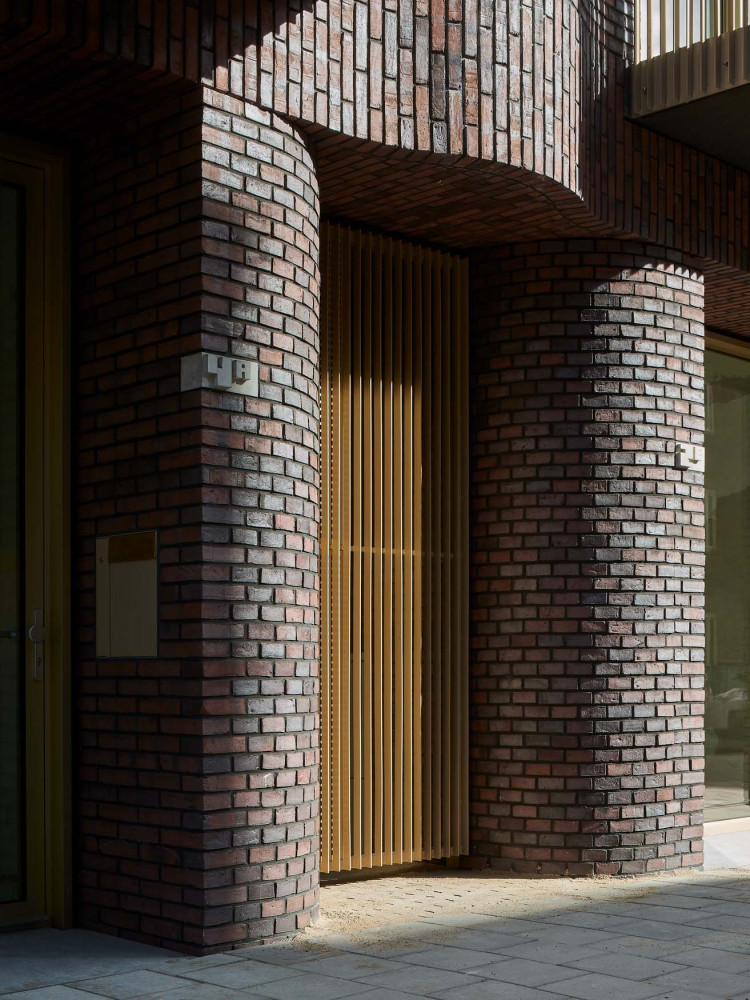
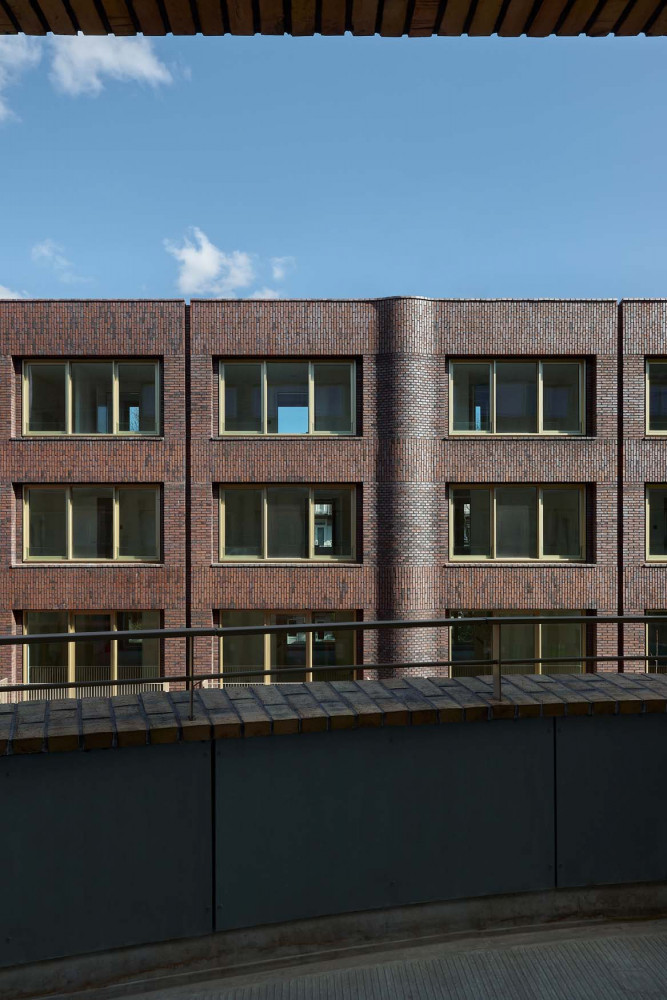
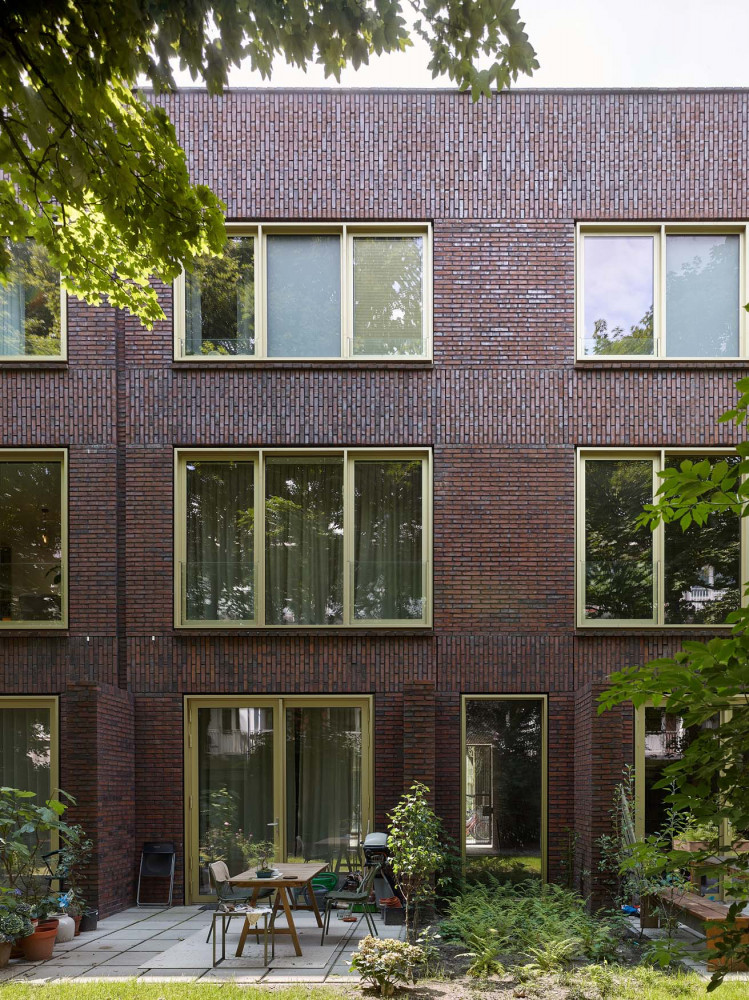
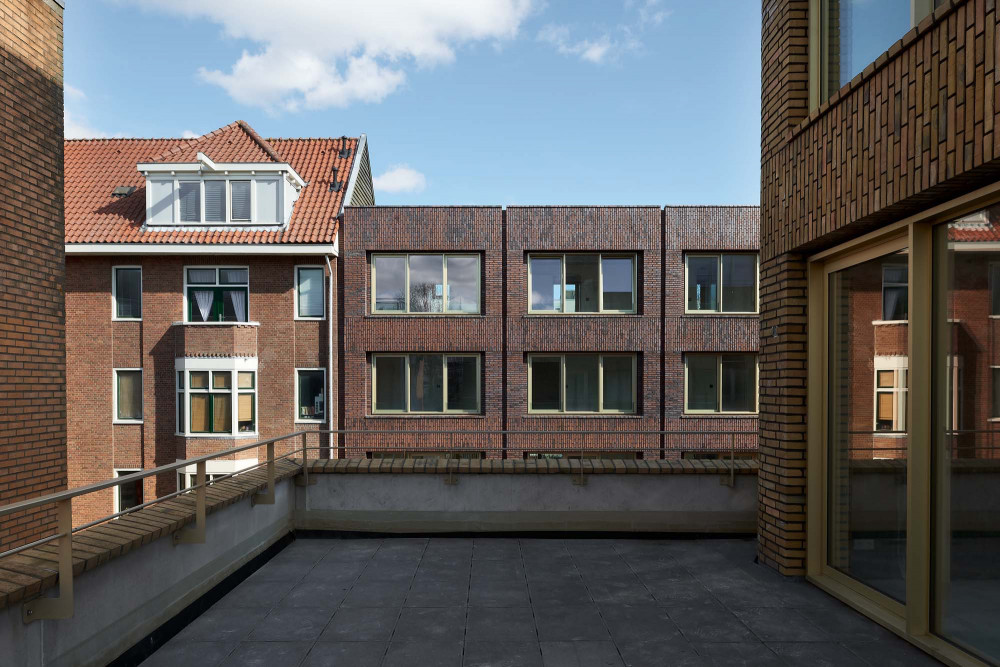
The area is characterised by world-famous monuments of the Amsterdam School. The project site, too, is surrounded by works by De Klerk (Het Schip and Spaarndammerplantsoen), Walenkamp (Zaanhof) and De Bazel (Zaandammerplein). The architecture of Spaarndammerhart is unmistakably contemporary, yet carries subtle, characteristic references to the Amsterdam School tradition: rich brickwork in nuanced red and yellow tones, glazed bricks for the interior courtyard facades, slender profiled window frames within a clear facade composition, and softly modulated building masses. Visual art by Martijn Sandberg forms an integral part of both the architecture and the landscape design.
The large block accommodates dwellings and apartments across a range of categories and typologies: social rental housing for starters, seniors and larger families; a series of private-sector rental apartments; and owner-occupied homes arranged around a shared courtyard. Apartment entrances are located at two gateways, which provide access both to the dwellings and to the courtyard beyond, where three-storey courtyard houses (owner-occupied) are situated. The southern gateway also houses the ramp leading to the underground car park. Balconies above the gateways project outward, clearly marking the entrances within the street profile. Inside the gateways, Martijn Sandberg's artwork depicts „connections through time" with the neighbourhood. Two community spaces and a shared residents' room accommodate neighbourhood functions and reinforce the collective spirit underlying the concept. A „green cushion" was laid out in the courtyard to a design by DS Landschapsarchitecten. Between the existing buildings and the new development, a collective garden has been created that is also accessible to residents of the surrounding properties.
The small block consists of ground-level live-work units across four storeys (owner-occupied). This block is defined by the vertical articulation of each individual unit and two narrow passageways leading to the rear garden and underground storage rooms. Here, too, the gardens are collectively managed to preserve their green character over the long term. Throughout the project, so-called encroachment zones have been applied: transitional areas between the public street and the private dwelling, consisting of a deep recess paved in bluestone that invites residents to appropriate these spaces as their own. This draws on an Amsterdam tradition of orienting homes towards the street.
In total, the residential block comprises eighty dwellings: 26 social rental units, 18 private-sector rental units and 36 owner-occupied homes. The scheme also includes two community spaces, a shared residents' room, an underground car park for 56 vehicles, and more than 100 provisions for insects, bats and birds.
Spaarndammerhart has been published in the Jaarboek Architectuur in Nederland 2020/2021, de Architect (June 2021), Bauwelt (5/2022) and Baumeister (5/2022). The project is the recipient of the Amsterdam Zuiderkerk Prize 2021, the Abe Bonnema Prize 2021, the Amsterdam Nieuwbouw Prize 2022 and the Arie Keppler Prize 2022.